
NEXUS-EDHS
Network for (Eco-)Cultures, Discourse and Health Studies
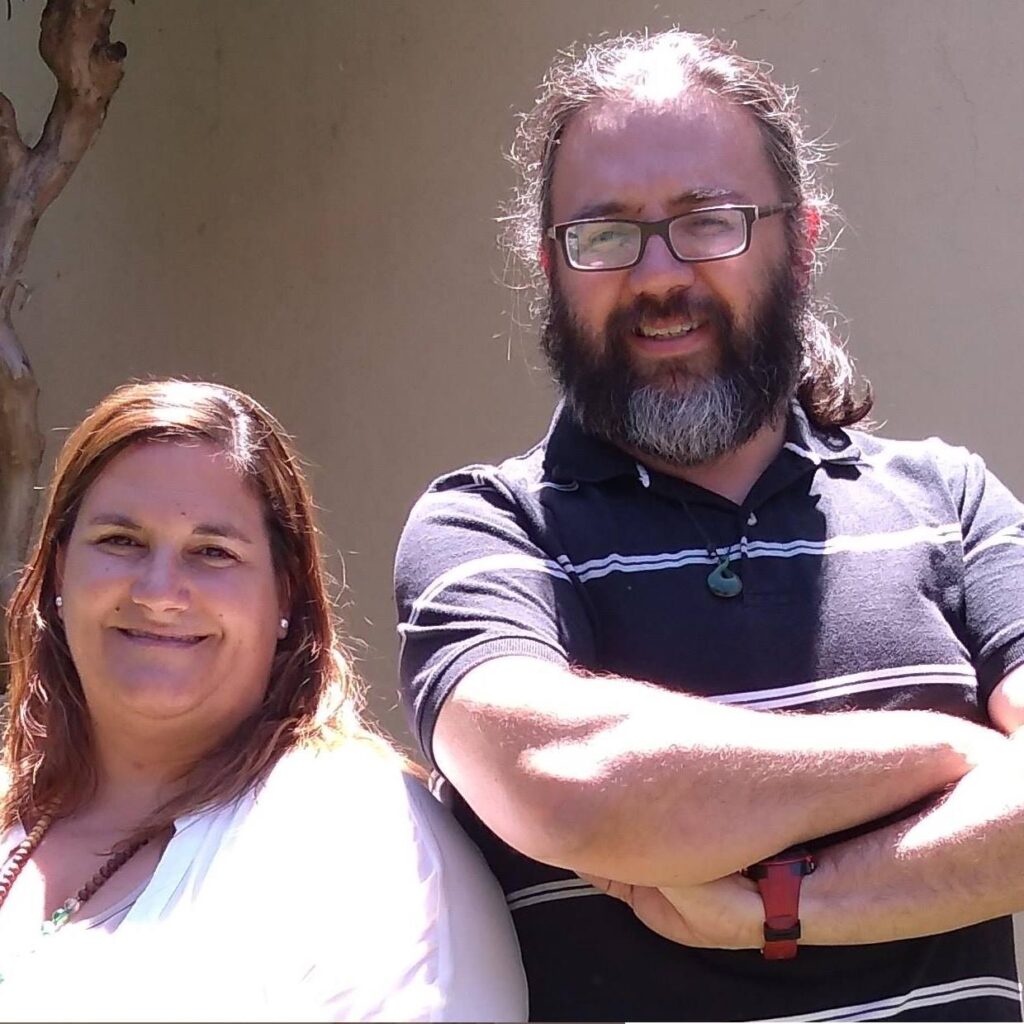
Directory
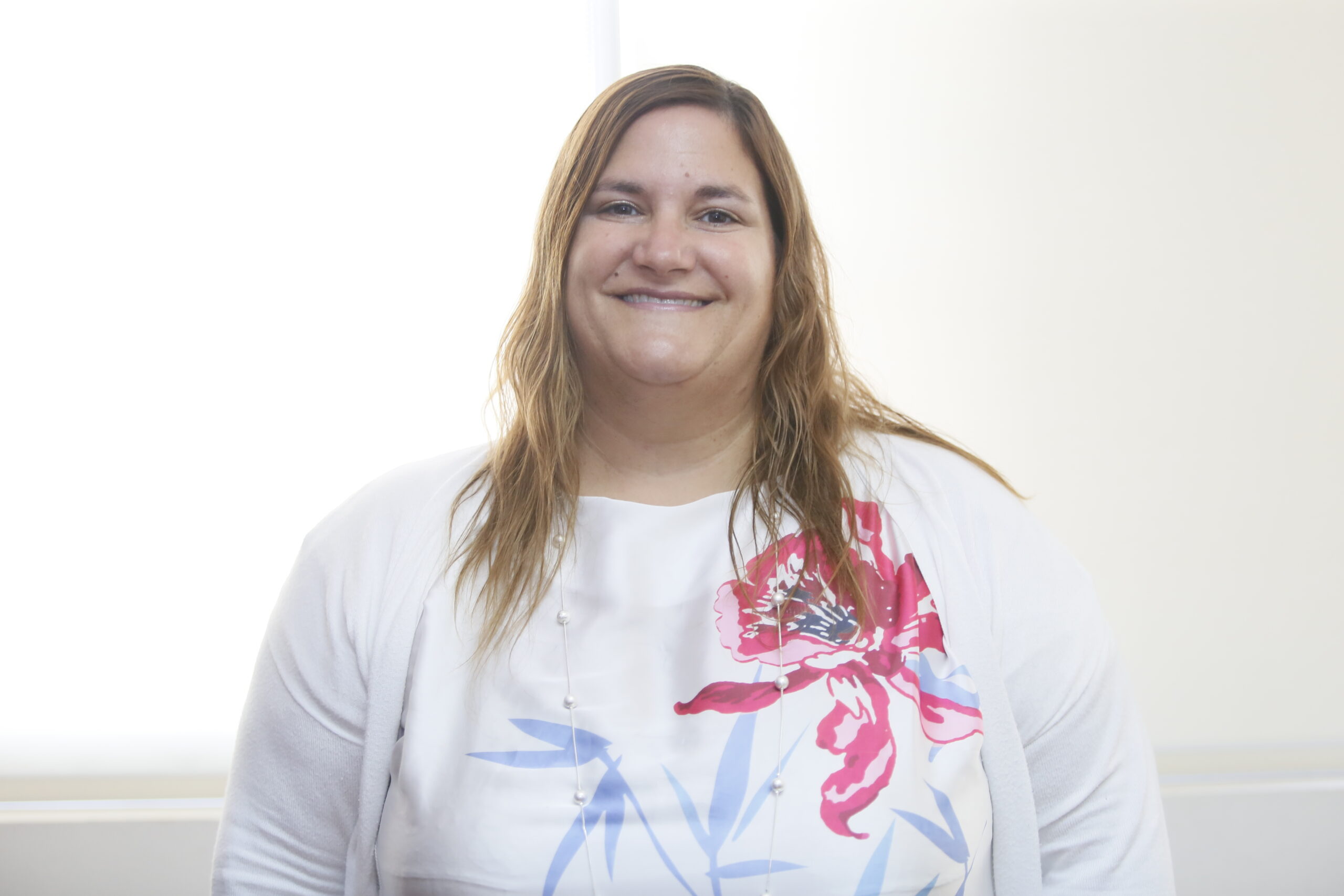
Mariana Lazzaro-Salazar, PhD
Founder and Director:
ORCID: https://orcid.org/0000-0001-7624-0068
ResearchGate: https://www.researchgate.net/profile/Mariana-Lazzaro-Salazar
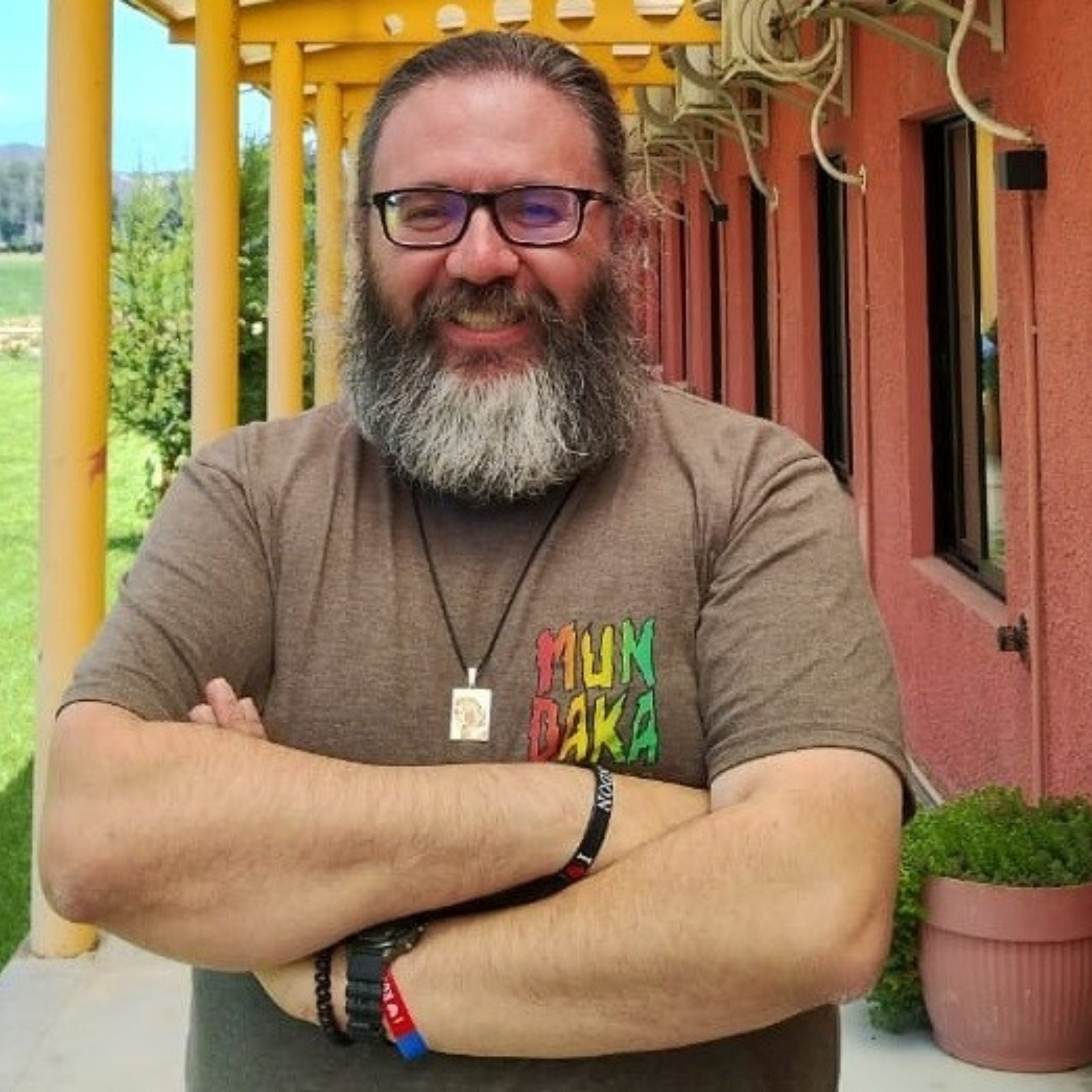
Enrique A. Mundaca, PhD
Co-director:
ORCID: https://orcid.org/0000-0002-1665-4434
ResearchGate: https://www.researchgate.net/profile/Enrique-Mundaca
About us
We are a group of interdisciplinary researchers that examine how discourse, culture, and place shape health, relations, eco-cultural decisions, individual and collective identities, and perceptions of nature and social justice, generating knowledge with and for communities to foster intercultural dialogue, sustainability, and equitable institutional and social transformation.
Our Research Trajectory
Our work sits at the intersection of discourse studies, (eco-)culture, and health, with a sustained focus on how communication practices shape wellbeing, professional identities, and equity within institutional and socio‑ecological contexts. Drawing on discourse‑analytic, ethnographic, ecological and other mixed‑methods interdisciplinary approaches, we examine language not merely as a medium of interaction but as a social practice that co‑constructs health, culture, and power in workplaces and communities at large.
A central strand of our research investigates healthcare communication in culturally and environmentally diverse settings, particularly within public health systems. Through empirical studies of doctor–patient interactions, nurses’ professional discourse, and intercultural communication among migrant and locally trained doctors, among others, this body of work demonstrates how diagnostic processes, rapport, trust, and professional legitimacy are relational and culturally embedded, shaped by sociocultural and linguistic dynamics, and discursively negotiated across Latin American and transnational contexts. These studies reveal how institutional cultures and national policies are reproduced or contested in everyday communicative encounters, with tangible consequences for health outcomes, professional integration and ethics, and medical education.
More recently, our research has expanded toward eco‑cultural and geo‑humanities perspectives, linking discourse, environment, place, and wellbeing. Our collaborative projects in rural communities around the world examine geo‑narratives, human–nature relationships, and sustainability‑oriented forms of knowledge production, highlighting how eco-cultural meanings of territory, traditional practices, heritage, environment, and care intersect with psychological and collective health, environmental policy and decision-making, and identities. This work connects discourse studies with broader eco‑social debates, emphasizing the role of narrative, identity, and ethics in co‑conserving human, nature and ecological wellbeing.
Across all strands, our work shares a commitment to social justice, intercultural dialogue, environmental protection and research impact on communities, contributing to policy debates, professional training, and international networks in discourse, sustainability, eco-culture, gender, workplace studies, and health communication. As such, it provides a coherent intellectual foundation for the Network for (Eco‑)Cultures, Discourse and Health Studies, advancing an integrated understanding of discursively, culturally, and ecologically produced knowledge and relationships in communities around the world.
Scientific Publications
In this section, we explore the latest academic research unraveling how language constructs, challenges, and reflects social realities.
📄 1. The Pragmatics of Digital Laughter: Humor as a Weapon of Silencing
Citation (APA 7th Edition): Lazzaro-Salazar, M., & Carrasco-Jeldres, K. (2026). La risa en noticias de cambio climático con perspectiva de género. Logos: Revista de Lingüística, Filosofía y Literatura, 36(1), 51-69 . https://doi.org/10.15443/RL3609.
🤣 "jajaja" — What if that laughter wasn't so innocent? A new study published in Revista Logos demonstrates that written laughter in discussion forums concerning climate change and gender is not used for laughing. Instead, it is employed as a discursive tool to delegitimize, attack, and silence other users.
📊 Key Study Data:
- Analyzed Corpus: 997 comments extracted from major Chilean digital media outlets (Emol and La Tercera) between 2019 and 2024.
- Participation Gap: A stark gender asymmetry in public digital discourse, with 712 interventions by men versus only 118 by women.
- Key Finding: Digital humor in debate spaces is not neutral; it is driven by ideology and acts as a silencing mechanism (functioning as a Face-Threatening Act).
👥 Authorship & Affiliation: Dr. Mariana Lazzaro-Salazar (Alternate Director of the ANID Ring Project ATE230028) and Karina Carrasco-Jeldres (Universidad Católica del Maule).
🔗 Read the full paper here (Open Access)
2. "I feel like most people seem to just go with the flow": Menopause, stigma and Chinese culture
Citation (APA 7th Edition): Zayts-Spence, O. A., Lazzaro-Salazar, M., & Edmonds, D. M. (2026). "I feel like most people seem to just go with the flow": Menopause, stigma and Chinese culture. Social Science & Medicine, 401, Article 119314.https://doi.org/10.1016/j.socscimed.2026.119314
"Just going with the flow" — Is menopausal stigma truly universal? A new study published in Social Science & Medicine investigates the lived experiences of menopause among Chinese women residing in Greater China. It challenges the assumed universality of menopausal stigma, showing instead a general societal shift toward greater acceptance and normalization.
Key Study Data:
- Analyzed Corpus: 46 interviews with Chinese women analyzed through theme-oriented discourse analysis to examine actual experiences of menopausal stigma.
- Cultural Shift: Menopausal stigma is less pervasive and more implicit in the analyzed Chinese contexts, with women expressing a preference for traditional Chinese medicine and cultural practices of care.
- Key Finding: While residual stigma exists—manifesting through interactional features like vague language, hedging, and pauses—the analysis underscores the need for culturally- and context-specific frameworks rather than Western-centric de-stigmatizing campaigns.
👥 Authorship & Affiliation: Dr. Olga A. Zayts-Spence (The University of Hong Kong), Dr. Mariana Lazzaro-Salazar (Universidad Católica del Maule), and David Matthew Edmonds (The University of Hong Kong).
Read the full paper here (Open Access
3. Migrant Physicians' Leadership Styles in Managing Challenging Professional Situations
Citation (APA 7th Edition): Lazzaro-Salazar, M., & Graf, E. M. (2026). Migrant Physicians’ Leadership Styles in Managing Challenging Professional Situations. In (Mis) Understandings in Multicultural Communication: Implications for Second Language Classrooms and Professional Settings (pp. 37-54). Cham: Springer Nature Switzerland.
"Nearby Leaders" — How do migrant doctors lead without formal authority? A new book chapter explores how migrant physicians in Chile construct leadership identities to manage the challenges of adjusting to a new multicultural workplace.
Key Study Data:
- Analyzed Corpus: In-depth interviews with 43 migrant physicians from three regions in Chile (Antofagasta, Maule, and Magallanes), collected between 2016 and 2020.
- Workplace Dynamics: The study highlights how migrant physicians, despite lacking institutionally sanctioned roles of power, gain recognition through their emotional connections and "humane" relationships with patients, positioning themselves as "nearby leaders".
- Key Finding: The analysis identifies two primary leadership styles—transformational and coach-like leadership—used by migrant doctors to navigate cultural tensions with local physicians. This demonstrates how they construct their professional legitimacy, medical ideologies, and understandings of their roles as care providers through narrative discourse.
👥 Authorship & Affiliation: Dr. Mariana Lazzaro-Salazar (Centro de Investigación de Estudios Avanzados del Maule - UCM, Chile) and Dr. Eva-Maria Graf (University of Klagenfurt, Austria).
🔗 Read the full paper here (Open Access)
4. Multilingualism in Chile: Approaches to the New Linguistic Diversity
Lazzaro-Salazar, M., & Ranjan, R. (2026). Presentación. Multilingüismo en Chile: Aproximaciones hacia la nueva diversidad lingüística. Boletín de Filología, 61(1), 10–29.
Rethinking Chile’s Linguistic Diversity
Is Chile truly a monolingual country? This presentation article challenges the traditional view of Chile as a linguistically homogeneous nation and invites readers to reconsider multilingualism as a key dimension of social inclusion, cultural identity, and public policy.
Published in a special issue of Boletín de Filología from Universidad de Chile, the article introduces a collection of studies that explore the current state and future projections of multilingualism in Chile, connecting local realities with broader international debates on language policies, multiculturalism, and linguistic rights.
Key Publication Data
Special Issue Focus:
The article introduces a monographic issue dedicated to multilingualism in Chile, bringing together national and international studies on linguistic diversity, language policies, education, migration, translation, literature, and intercultural communication.
Project Framework:
The publication emerges from the collaborative work developed within the ANID FOVI230232 project, which aimed to create the Interdisciplinary Network of Researchers LanPol — Language Policies — connecting regional institutions in Chile with international academic partners.
International Collaboration:
The special issue is the result of an intercultural academic network involving researchers from Chile, Argentina, India, and Brazil, with the goal of generating updated knowledge on multilingual contexts and their implications for sustainable development.
Key Contribution
The article argues that Chile’s linguistic reality is far more diverse than commonly assumed. While Spanish is widely treated as the country’s official language, the article highlights the presence of Indigenous languages, foreign languages, migrant languages, additional languages, and different varieties of Spanish currently used across Chilean society.
This perspective challenges monolingual ideologies and draws attention to the need for clearer and more inclusive language policies. The authors emphasize that recognizing multilingualism is not only a linguistic matter, but also a social, cultural, educational, and political responsibility.
👥 Authorship & Affiliation: Dr. Mariana Lazzaro-Salazar (Centro de Investigación de Estudios Avanzados del Maule - UCM, Chile) and Dr. Ranjeeva Ranjan (Departamento de Fundamentos de la Educación - UCM, Chile).
🔗 Read the full paper here (Open Access)